
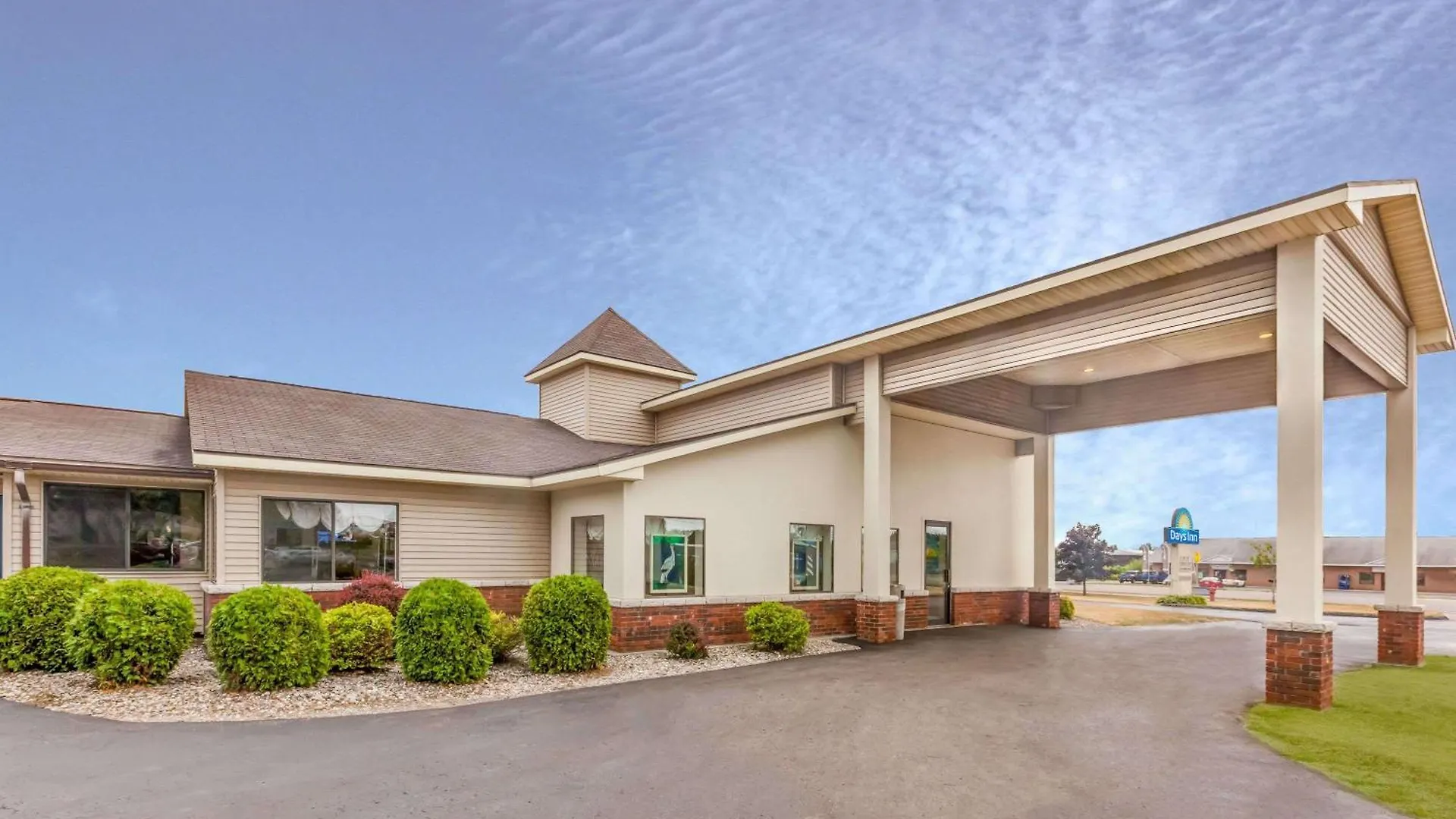
Michigan's hotel landscape spans Victorian historic inns in Detroit's cultural district, extended-stay suites near Northern Michigan University, and highway-positioned properties with direct access to ski areas and Great Lakes recreation. Whether you're visiting for a Spartan Stadium game in Lansing, exploring the Lake Superior shoreline in Marquette, or passing through Battle Creek en route to Kalamazoo, finding a design-forward property with the right location changes how the trip actually feels. This guide covers 11 hotels across Michigan that stand out for their character, amenities, and positioning - so you can match the right property to your itinerary.
What It's Like Staying in Michigan
Michigan is split by the Straits of Mackinac into two distinct regions - the Lower Peninsula, where most cities, universities, and industrial hubs are concentrated, and the Upper Peninsula, known for rugged outdoor terrain, Lake Superior access, and smaller towns like Marquette. Driving is the primary mode of transport across the state, as public transit is limited outside Detroit, and distances between destinations often exceed 100 kilometers. Crowd patterns vary sharply by season: summer brings strong tourism to lakeside towns and national lakeshores, while winter routes traffic toward ski areas like Al Quaal Recreation Ski Area near Marquette.
Travelers who benefit most from staying in Michigan are road-trippers, outdoor enthusiasts, university visitors, and those exploring Great Lakes culture. Visitors expecting walkable city experiences similar to Chicago or New York may find Michigan's pace and infrastructure a poor fit outside downtown Detroit.
Pros:
- Access to over 3,000 miles of Great Lakes shoreline, including beaches, dunes, and water sports across multiple seasons
- Strong concentration of universities and sports venues - Spartan Stadium, Kellogg Arena, and Breslin Center - creating reliable anchor points for trip planning
- Free parking is standard at most Michigan hotels, eliminating a cost that routinely adds around $40 per night in major urban markets
Cons:
- Car dependency is near-total outside of Detroit's Midtown and downtown corridors, making car-free travel impractical across most of the state
- Winters from November through March bring heavy snowfall, especially in the Upper Peninsula, which can disrupt travel plans significantly
- Many smaller Michigan cities have limited dining, nightlife, and walkable entertainment options after 9 PM
Why Choose Design Hotels in Michigan
Design-forward hotels in Michigan tend to leverage the state's architectural heritage and natural surroundings rather than competing on sheer luxury. In Detroit, that means restored Victorian properties with period-accurate detail and proximity to cultural institutions. In Lansing and the mid-state corridor, it means modern extended-stay formats with functional room design built for university visitors and business travelers. Rates at character-driven properties in Michigan typically run lower than comparable design hotels in Midwest metros like Chicago or Minneapolis, making value positioning a real advantage here. Room sizes at Michigan's 3-star design hotels are generally more generous than coastal urban equivalents, though trade-offs include noise from highway-adjacent locations and more limited on-site dining.
The key differentiator for design hotels in this state is intentionality - properties that reflect a specific place, whether that's the industrial resilience of Battle Creek, the academic energy of DeWitt near MSU, or the lakeside character of Alpena on Lake Huron. Generic chain interiors are common at the budget tier, but the properties covered in this guide each offer something more considered. Travelers staying around 3 nights tend to extract the most value from design-positioned hotels here, as the area context and room quality become more relevant over longer stays.
Pros:
- Michigan design hotels frequently include free hot breakfast and free parking, two amenities that eliminate meaningful daily costs compared to urban design hotels elsewhere
- Historic properties like Detroit's Inn on Ferry Street offer genuinely differentiated architecture and walkable museum access that standard chain hotels cannot replicate
- Room configurations - including kitchenette suites and extended-stay formats - are more widely available at design-positioned Michigan properties than in most comparable regions
Cons:
- Design hotel density is thin in smaller markets - Allegan, Three Rivers, and Alpena offer limited alternatives if your preferred property is fully booked
- Some character-forward properties in Michigan lack on-site restaurants, requiring car trips for dinner even in otherwise well-located towns
- Design quality is uneven across the state - properties marketed as boutique or unique can still feature dated fixtures and inconsistent renovation standards
Practical Booking & Area Strategy
For travelers focused on cultural and urban access, Detroit's Midtown and New Center districts offer the highest walkability in Michigan - the Inn on Ferry Street, for example, places guests within walking distance of the Detroit Institute of Arts, the Michigan Science Center, and multiple theatres without needing a car. In Lansing, positioning near Capital Region International Airport (around 5 km from several mid-state hotels) simplifies arrivals while keeping major venues like Spartan Stadium and the Breslin Center under 15 minutes by car. Marquette in the Upper Peninsula requires a flight into Sawyer International Airport or a long drive from the Lower Peninsula but rewards visitors with direct access to Lake Superior trails, ski terrain, and a compact downtown with genuine local character.
For peak travel periods - late August through October for fall color, December through February for Upper Peninsula skiing, and May through August for Great Lakes beach access - book at least 6 weeks in advance, particularly for properties near MSU game weekends or the Kellogg Arena event calendar in Battle Creek. Monroe and Three Rivers offer quieter, more price-stable booking windows and suit travelers using those cities as corridor stops rather than primary destinations. Travelers visiting Alpena should account for the fact that Alpena County Regional Airport is served by limited carriers, making driving from Detroit (around 4 hours) the most common access route.
Best Value Design Stays
These properties offer strong room functionality, reliable amenities, and genuine local positioning at accessible price points across Michigan's mid-state and regional markets.
-
1. Days Inn By Wyndham Alpena
Show on map


 Check-infrom 15:00 until 23:59Check-outuntil 11:00
Just a few rooms left at the best rate!
fromUS$ 70
-
2. Budget Host Inn
Show on map


 Check-infrom 14:00 until 23:59Check-outuntil 11:00
Just a few rooms left at the best rate!
fromUS$ 130
-
3. Quality Inn & Suites Monroe
Show on map


 Check-infrom 15:00 until 23:59Check-outuntil 11:00
Just a few rooms left at the best rate!
fromUS$ 120
-
4. Travelodge By Wyndham Monroe
Show on map


 Check-infrom 15:00 until 23:59Check-outuntil 11:00
Just a few rooms left at the best rate!
fromUS$ 47
-
5. Best Western Executive Inn
Show on map


 Check-infrom 15:00 until 23:59Check-outuntil 11:00
Hurry – almost gone at this price!
fromUS$ 103
Best Mid-Range & Premium Design Picks
These properties lead in location specificity, room quality, or architectural character - suited to travelers who want more from their Michigan stay than a functional overnight base.
-
1. Causeway Bay Hotel
Show on map


 Check-infrom 15:00 until 23:30Check-outuntil 11:00
Hurry – almost gone at this price!
fromUS$ 115
-
7. Best Western Dewitt
Show on map


 Check-infrom 15:00 until 23:59Check-outuntil 11:00
Hurry – almost gone at this price!
fromUS$ 90
-
3. Comfort Suites Wixom - Novi
Show on map


 Check-infrom 15:00 until 23:59Check-outuntil 11:00
Hurry – almost gone at this price!
fromUS$ 89
-
9. Staybridge Suites Marquette By Ihg
Show on map


 Check-infrom 15:00 until 23:59Check-outuntil 12:00
Rooms filling fast – secure the best rate!
fromUS$ 181
-
5. Holiday Inn Express And Suites Three Rivers By Ihg
Show on map


 Check-infrom 15:00 until 23:59Check-outuntil 11:00
Rooms filling fast – secure the best rate!
fromUS$ 144
-
11. The Inn On Ferry Street
Show on map


 Check-infrom 16:00 until 23:59Check-outuntil 11:00
Rooms filling fast – secure the best rate!
fromUS$ 153
Smart Travel & Timing Advice for Michigan
Michigan's travel calendar splits into four distinct windows, each with different pricing and crowd dynamics. Summer - late June through August - is peak season for Great Lakes beach towns, Sleeping Bear Dunes National Lakeshore, and Mackinac Island, with hotel rates rising around 35% above the annual average in those markets. Fall color season (mid-September through late October) draws strong traffic across the northern Lower Peninsula and Upper Peninsula, with Marquette and Traverse City being the most competitive booking environments. Book Upper Peninsula properties at least 6 weeks ahead for October stays, as inventory is genuinely limited in smaller markets like Alpena and Three Rivers.
Winter travel in Michigan concentrates around the Upper Peninsula ski corridor - Marquette, Houghton, and Ironwood - where Staybridge Suites Marquette and similar properties see their highest demand from January through mid-March. Spring (April through May) offers the best value across nearly all Michigan markets, with lower rates, thin crowds, and fully operational amenities before summer surges. For urban Detroit stays centered on the Inn on Ferry Street or Wixom-area hotels near Novi, event weekends - Detroit Lions games at Ford Field, Tigers home openers, or major concerts at Little Caesars Arena - drive short-notice rate spikes that make early booking the clear strategy. A minimum stay of 2 nights is recommended for most Michigan destinations to justify the driving distances involved in reaching regional highlights.


